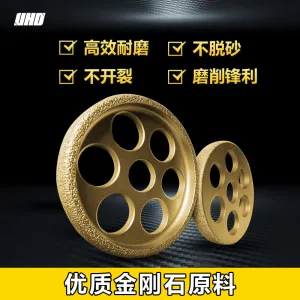
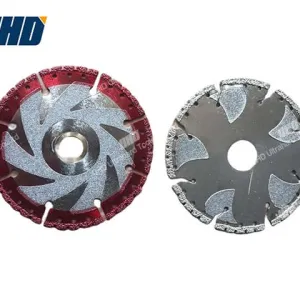
Industrial grinding downtime caused by sudden diamond wheel failure can disrupt your production schedule and escalate costs. Yet, early identification of wheel degradation signs offers a clear path to avoid unplanned stoppages. This guide presents the 3-Step Diagnosis Method to swiftly assess your diamond grinding wheel’s condition—from abrasive particle loss, grinding force trends, to abnormal surface temperature—helping you decide the right time to replace or service your wheel efficiently.
Abrasive grit detachment is the earliest and most telling indicator of diamond wheel wear. Consistent particle loss indicates the bond strength degradation between the diamond grits and the wheel matrix. Inspect your wheels visually at regular intervals—ideally every 8 to 12 operating hours—to detect clear signs such as:
Quantitatively, abrasive loss exceeding 10% surface grit detachment over a week demands immediate attention or re-grinding. Remember, postponing maintenance beyond this can cause rapid efficiency loss and surface quality degradation.
Grinding force serves as a dynamic measure of wheel health during operation. As your diamond wheel wears down, expect to see a characteristic trend:
Use a reliable force sensor or dynamometer to track real-time data. Significant deviations greater than ±15% of your baseline grinding force suggest the wheel is approaching the end of its service life.
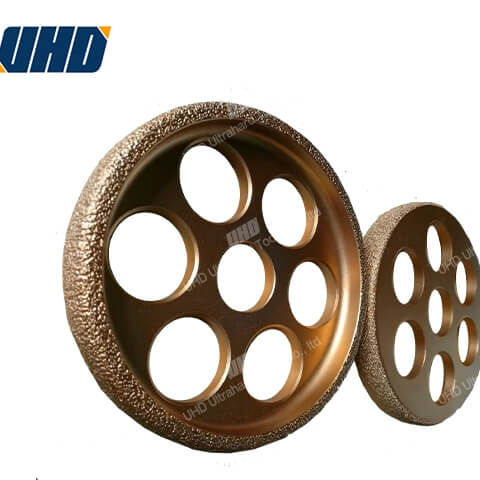
Overheating during grinding not only dims the wheel’s performance but accelerates abrasive breakdown. Monitoring wheel surface temperature becomes a non-negotiable best practice:
Addressing temperature anomalies reduces the risk of sudden abrasive detachment and prolongs overall tool life.
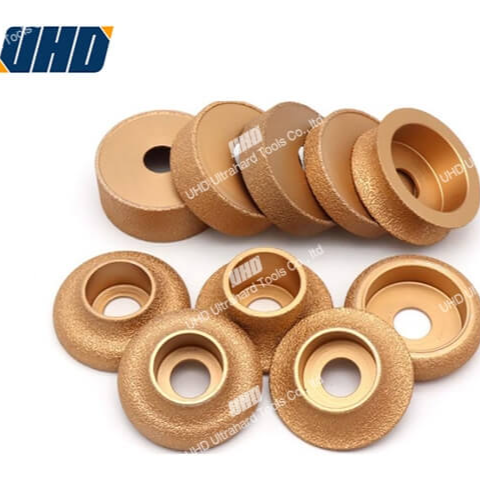
Leveraging years of field service experience with UHD Diamond Technology, here are actionable do’s and don’ts to ensure your diamond wheels perform optimally:
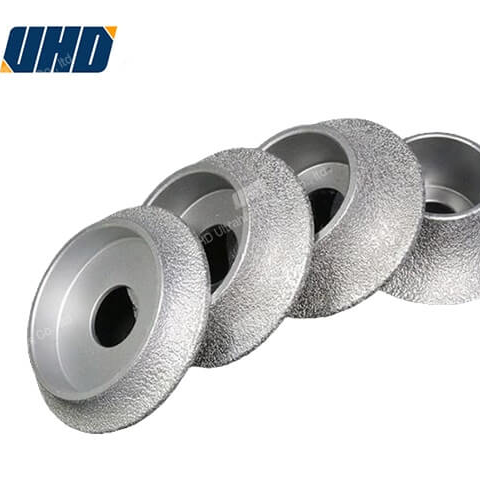
Industrial operators frequently misinterpret abrasive residue accumulation as wheel wear, leading either to premature replacement or delayed servicing. Relying on a single indicator often causes diagnostic inaccuracies. A holistic approach applying all three steps assures precise judgment and cost-efficient wheel management.
Additionally, neglecting thermal checks risks hidden damage, while underestimating grinding force variations delays corrective actions. Use data-driven insights, coupled with visual inspections and regular tool assays, for best results.
Ready to enhance your diamond grinding process?
Get your free copy of our comprehensive "Diamond Wheel Life Management Self-Check PDF" to enable precise, on-site diagnostics and maintenance planning.
Download Your Self-Check PDF Now
 317
|
317
|
 brazed diamond abrasives
stone processing tools
environmental - friendly abrasives
performance comparison of diamond abrasives
CE - certified abrasives
146
|
Brazed diamond grinding disks
Abrasion resistance
Impact resistance
ISO - certified grinding disks
Hard material grinding
277
|
Brazed diamond grinding discs
High - wear - resistant grinding discs
Grinding disc quality control
Grinding disc parameter optimization
Customized grinding disc solutions
470
|
Brazed diamond grinding disk technology
High - wear - resistant grinding disk quality control
Diamond grinding disk selection guide
Industrial grinding tool performance
Customized diamond grinding disks
200
|
diamond wheel life monitoring
grinding wheel wear detection
diamond grinding wheel maintenance
industrial tool lifecycle management
grinding force anomaly detection
brazed diamond abrasives
stone processing tools
environmental - friendly abrasives
performance comparison of diamond abrasives
CE - certified abrasives
146
|
Brazed diamond grinding disks
Abrasion resistance
Impact resistance
ISO - certified grinding disks
Hard material grinding
277
|
Brazed diamond grinding discs
High - wear - resistant grinding discs
Grinding disc quality control
Grinding disc parameter optimization
Customized grinding disc solutions
470
|
Brazed diamond grinding disk technology
High - wear - resistant grinding disk quality control
Diamond grinding disk selection guide
Industrial grinding tool performance
Customized diamond grinding disks
200
|
diamond wheel life monitoring
grinding wheel wear detection
diamond grinding wheel maintenance
industrial tool lifecycle management
grinding force anomaly detection