In the industrial manufacturing sector, the durability of grinding tools and the continuity of production are crucial pain points. A typical failure of a diamond grinding wheel can lead to significant production disruptions. For example, a sudden breakdown of a grinding wheel on a production line can cause an average downtime of 2 - 3 hours, resulting in a loss of approximately $500 - $1000 per hour in production value. This highlights the importance of proper maintenance and life - cycle management of diamond grinding wheels.

Abrasive grain shedding is one of the most obvious signs of a grinding wheel's wear. When the shedding rate exceeds 10% of the total abrasive grains, it indicates that the grinding wheel is in a state of significant wear. Monitoring the abrasive grain shedding can be achieved through visual inspection and regular weighing. By comparing the weight of the grinding wheel at different times, the degree of abrasive grain shedding can be estimated.
"According to our technical experience, early detection of abrasive grain shedding can reduce the probability of sudden grinding wheel failure by up to 30%," said a technical expert from UHD.
.png)
An increase in grinding force is another important indicator of grinding wheel wear. When the grinding force increases by more than 15% compared to the normal state, it suggests that the grinding wheel is becoming dull and needs to be checked or replaced. Using a force sensor to measure the grinding force during the grinding process can provide accurate data for analysis.
An abnormal rise in the surface temperature of the grinding wheel can also signal potential problems. If the surface temperature exceeds 80°C during normal grinding operations, it may indicate excessive friction due to wear. Infrared thermometers can be used to monitor the surface temperature of the grinding wheel in real - time.
Based on UHD's many years of technical service experience, high - frequency failure signals and dressing frequencies have been identified. For example, for a grinding wheel used in high - precision grinding operations, dressing should be carried out every 50 - 80 hours of use to ensure its performance.
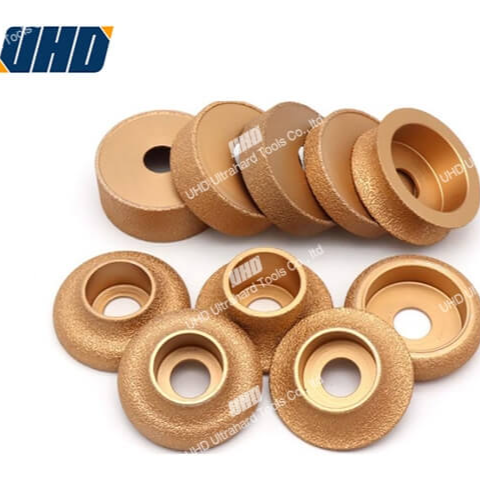
A detailed maintenance list includes regular cleaning, inspection of abrasive grain shedding, measurement of grinding force and surface temperature, and timely dressing. For example, the grinding wheel should be cleaned with a special cleaning agent at least once a week to remove debris and prevent clogging.
Proper storage is also crucial for the longevity of diamond grinding wheels. They should be stored in a dry environment with a relative humidity of less than 60%. Before storage, a rust - proof coating should be applied to the metal parts of the grinding wheel.
In conclusion, establishing a scientific life - cycle management system for diamond grinding wheels can significantly improve tool performance and product stability. By following the methods and guidelines provided in this article, industrial users can effectively prevent sudden failures of grinding wheels and ensure the continuity of production.
Are you interested in optimizing your diamond grinding wheel maintenance? Click here to leave a message and get the "Diamond Grinding Wheel Life Management Self - Check Sheet" PDF and consult our technical support team!

 308
|
308
|
 brazed diamond grinding wheel
ISO9001 quality management
diamond grinding wheel performance test
industrial grinding tool quality control
diamond wheel durability
438
|
brazed diamond grinding disc
diamond grinding tools
ISO9001 quality management
grinding disc after-sales service
industrial grinding solutions
brazed diamond grinding wheel
ISO9001 quality management
diamond grinding wheel performance test
industrial grinding tool quality control
diamond wheel durability
438
|
brazed diamond grinding disc
diamond grinding tools
ISO9001 quality management
grinding disc after-sales service
industrial grinding solutions
 146
|
brazed diamond grinding wheel
metal cutting tools
diamond grinding segment
superhard abrasive application
wear-resistant grinding disc
379
|
400mm diamond saw blade
brazed diamond blade
dry vs wet cutting
diamond blade maintenance
saw blade cooling design
309
|
brazed diamond grinding tools
grinding tool selection
substrate material matching
diamond grinding tool maintenance
industrial grinding efficiency
146
|
brazed diamond grinding wheel
metal cutting tools
diamond grinding segment
superhard abrasive application
wear-resistant grinding disc
379
|
400mm diamond saw blade
brazed diamond blade
dry vs wet cutting
diamond blade maintenance
saw blade cooling design
309
|
brazed diamond grinding tools
grinding tool selection
substrate material matching
diamond grinding tool maintenance
industrial grinding efficiency