When it comes to ductile iron processing, especially in the surface grinding of ductile iron, issues like frequent grinding wheel breakage and workpiece damage are all too common. These problems often stem from improper clamping, insufficient cooling, or incorrect parameter settings. For instance, improper clamping can lead to uneven stress distribution on the workpiece, while inadequate cooling can cause overheating and thermal stress, which may ultimately result in workpiece damage or grinding wheel breakage.
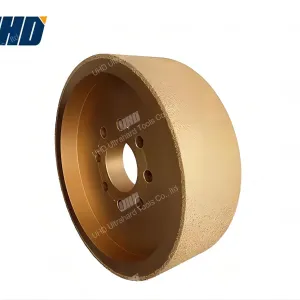
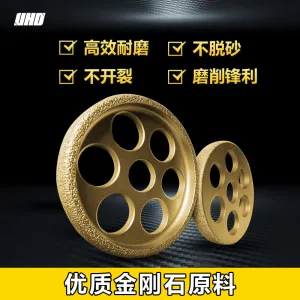
The structural design of the grinding wheel plays a crucial role in its impact resistance. A well - designed grinding wheel can better withstand the forces during the grinding process. For example, UHD super - hard material tools offer high - wear - resistant grinding wheels. The unique structure of these wheels distributes the impact forces more evenly, reducing the risk of breakage. This is particularly important in ductile iron grinding, where the material's properties require a grinding wheel with good impact resistance.
Installation specifications, such as clamping force and dynamic balance, are of utmost importance. Incorrect clamping force can cause the grinding wheel to be unstable during operation, leading to uneven wear and potential breakage. Dynamic balance is also essential. An unbalanced grinding wheel can generate vibrations, which not only affect the quality of the grinding but also increase the stress on the wheel and the workpiece. For example, if the clamping force is too high, it may cause the grinding wheel to crack; if it is too low, the wheel may become loose during operation.
The matching of feed rate, cutting depth, and coolant flow is a critical aspect of ductile iron grinding. The feed rate determines how fast the workpiece moves relative to the grinding wheel, the cutting depth affects the amount of material removed per pass, and the coolant flow helps to control the temperature and reduce friction. For example, a higher feed rate may require a larger cutting depth and a higher coolant flow to ensure efficient and safe grinding. If the coolant flow is insufficient, the heat generated during grinding cannot be effectively dissipated, which can lead to thermal stress and damage to the workpiece and the grinding wheel.
In surface grinding of ductile iron, the stress distribution is different from that in flat grinding. The curved surface creates unique stress concentration points. To address this, we need to understand the stress distribution characteristics. For example, we can adjust the clamping method to reduce the stress concentration at specific points. By using a proper clamping method, we can ensure that the stress is evenly distributed across the workpiece, reducing the risk of breakage.
Let's look at some industry cases to see the actual effects of preventive measures. In a certain factory, after implementing the correct clamping method and optimizing the coolant ratio, the breakage rate of grinding wheels decreased by 30%, and the quality of the workpieces improved significantly. This shows that the preventive measures, such as proper clamping, correct coolant configuration, and reasonable parameter settings, can effectively reduce the risk of problems in ductile iron grinding.
To enhance on - site practicality, here is a simple fault troubleshooting list. If there is a problem with the grinding quality, check the clamping force first. If the grinding wheel is vibrating, check the dynamic balance. If the workpiece is overheating, check the coolant flow. This list can help operators quickly identify and solve problems on the spot.
We encourage you to feedback typical problems you encounter during the grinding process. By collecting and analyzing these problems, we can form a knowledge base, which will help us continuously improve our preventive measures and provide better guidance for ductile iron grinding. You can download the 'Common Problem Self - Check List' here to help you with on - site fault checking. If you have any questions or need more information about ductile iron grinding stress concentration protection, feel free to reach out. Let's work together to make every grinding process more stable, accurate, and efficient.

 142
|
142
|
 brazed diamond grinding tools
vacuum brazing technology
durable grinding tools for metal
CE certified grinding wheels
efficient diamond abrasives
201
|
brazed diamond grinding tools
custom grinding tools for stone
industrial grinding efficiency
diamond tool maintenance
grinding tool selection guide
111
|
brazed diamond grinding wheels
industrial grinding efficiency improvement
ISO9001 quality management
ultra-hard grinding tools
grinding wheel after-sales service
brazed diamond grinding tools
vacuum brazing technology
durable grinding tools for metal
CE certified grinding wheels
efficient diamond abrasives
201
|
brazed diamond grinding tools
custom grinding tools for stone
industrial grinding efficiency
diamond tool maintenance
grinding tool selection guide
111
|
brazed diamond grinding wheels
industrial grinding efficiency improvement
ISO9001 quality management
ultra-hard grinding tools
grinding wheel after-sales service
 372
|
Dual Function Diamond Tools
Cutting Tools
Grinding tools
Efficiency Tools
372
|
Dual Function Diamond Tools
Cutting Tools
Grinding tools
Efficiency Tools
 32
|
diamond core drilling
concrete drilling services
professional drilling contractors
32
|
diamond core drilling
concrete drilling services
professional drilling contractors