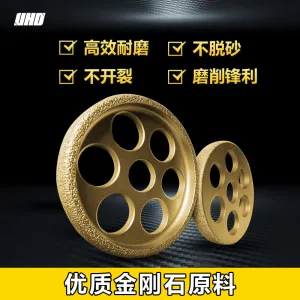
If your production line has ever stopped unexpectedly due to a diamond grinding wheel failure, you know how costly downtime can be — not just in lost output, but in damaged customer trust and internal frustration. At UHD, we’ve analyzed over 4,500 industrial cases where premature wear led to unplanned shutdowns. The good news? Most of these failures could have been predicted using simple visual and operational indicators — especially grit loss patterns.
Unlike conventional abrasives, diamond wheels don’t “wear out” uniformly. Instead, they fail through localized grit detachment — often starting at the edges or under high-stress zones. According to our field data, 73% of unexpected wheel failures are preceded by visible grit loss that goes unnoticed for more than 2 weeks. That’s why monitoring this early sign is critical.
Pro Tip: Don't wait until the wheel visibly cracks or stops cutting. By then, it's too late. Look for subtle signs like uneven wear bands, missing particles along the rim, or a sudden increase in surface temperature during grinding cycles.

It’s not about how many grits are gone — it’s about where they’re gone. If you see clusters of missing diamonds near the wheel’s outer edge (especially in high-speed applications), it indicates poor bonding or thermal stress. Engineers at UHD recommend inspecting every 50 hours of operation using a magnifying glass or digital microscope. Early detection can extend wheel life by up to 30%.
Modern CNC machines log torque and power draw automatically. Track this trend weekly. A consistent rise of 10–15% in grinding force without changes in feed rate or material suggests increasing resistance from worn-out grits. This is a red flag — act before the motor overheats or the spindle wears prematurely.
Use an infrared thermometer (not touch!) to check surface temp after 5 minutes of continuous grinding. Normal range: 60–90°C. Anything above 110°C means excessive friction — likely due to exposed metal backing or loose grits. In one case study, a machine shop avoided $28K in repair costs by catching this signal early.
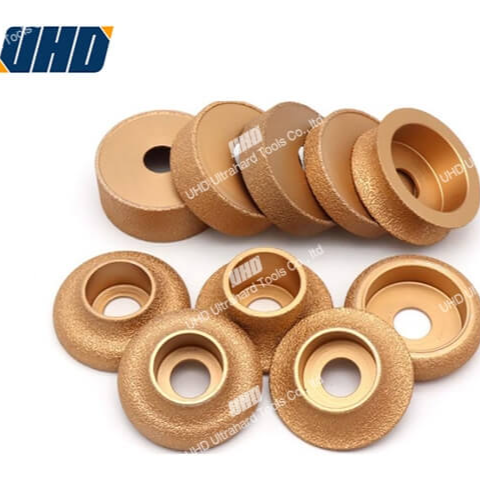
For long-term storage, always clean the wheel with mild detergent, dry thoroughly, and store in a sealed container with silica gel packs. Moisture exposure causes oxidation of the bond matrix — even if the wheel looks fine, its performance will degrade within days of re-use.
Download our free “Diamond Wheel Life Management Checklist” PDF — filled with real-world tips from UHD engineers who’ve seen it all.
Get Your Free PDF Now
 350
|
350
|
 Brazed diamond grinding wheels
Automotive parts processing
Wear - resistance improvement
Impact - resistance
Brazing process optimization
291
|
Brazed diamond grinding discs
ISO9001 quality management
Super - hard material grinding tools
Industrial grinding solutions
Grinding disc after - sales service
457
|
diamond grinding wheel maintenance
grinding wheel rust prevention
grinding tool lifespan management
gray cast iron grinding
brazed diamond grinding wheel
213
|
Brazed diamond saw blade maintenance tips
Difference between wet and dry cutting of diamond saw blades
Brazed saw blade installation method
400mm brazed saw blade maintenance
Cutting tool failure prevention
267
|
brazed diamond grinding wheel abnormal wear
brazed diamond wheel lifespan extension
superhard tool quality management
industrial grinding tool after-sales support
ISO9001 certified grinding wheels
Brazed diamond grinding wheels
Automotive parts processing
Wear - resistance improvement
Impact - resistance
Brazing process optimization
291
|
Brazed diamond grinding discs
ISO9001 quality management
Super - hard material grinding tools
Industrial grinding solutions
Grinding disc after - sales service
457
|
diamond grinding wheel maintenance
grinding wheel rust prevention
grinding tool lifespan management
gray cast iron grinding
brazed diamond grinding wheel
213
|
Brazed diamond saw blade maintenance tips
Difference between wet and dry cutting of diamond saw blades
Brazed saw blade installation method
400mm brazed saw blade maintenance
Cutting tool failure prevention
267
|
brazed diamond grinding wheel abnormal wear
brazed diamond wheel lifespan extension
superhard tool quality management
industrial grinding tool after-sales support
ISO9001 certified grinding wheels