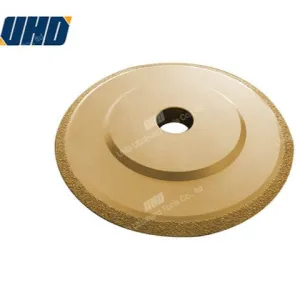
Boost Hard Material Grinding Efficiency with Diamond Wheel Selection: A Precise 5-Step Guide for Stone, Glass, and Ceramics
2025/12/02
Tutorial Guide
Struggling with low grinding efficiency on hard materials? Choosing the wrong diamond wheel is often the root cause. This article breaks down a precise 5-step diamond wheel selection method, covering diameter, design type, grain size, and bonding agents to match your stone, glass, and ceramic processing needs. Through real-world case studies addressing common issues like rapid wear and surface roughness, you’ll learn how to improve grinding efficiency and tool lifespan scientifically. Empower your manufacturing process with reliable, data-driven selection strategies and extend your diamond wheel’s service life for stable, high-performance operations.
Is Your Hard Material Grinding Efficiency Lagging Behind? Master the 5-Step Diamond Grinding Wheel Selection Method
If you’re struggling with low grinding efficiency or premature wear when processing hard materials like stone, glass, or ceramics, chances are the root cause lies in your diamond grinding wheel selection. Choosing the right diamond grinding wheel isn’t just a matter of size; it requires a scientific approach aligning wheel characteristics with your specific material and process needs.
Step 1: Understand Your Grinding Wheel Diameter Needs
The diameter of the grinding wheel significantly affects contact area and cutting speed — essential for balancing material removal rate and surface finish. For instance:
| Material |
Recommended Wheel Diameter |
Grinding Speed (m/s) |
| Natural Stone |
200–300 mm |
20–25 |
| Glass |
150–200 mm |
15–20 |
| Ceramics |
100–200 mm |
18–22 |
Selecting a diameter too small leads to slower material removal; too large may add unnecessary machine load.
Step 2: Match Design Shape to Your Application
Grinding wheels come in flat and profiled/curved designs:
- Flat wheels suit general surface grinding on flat materials like large slabs of stone or glass.
- Curved or profile wheels are designed for edge grinding or intricate contours as seen in ceramics or specialty glass shapes.
Choosing the incorrect design increases wear and reduces surface finish quality.
Step 3: Select the Appropriate Diamond Grain Size
Diamond grain size dictates cutting aggressiveness and surface finish. Here’s a quick guide for different materials:
| Material |
Recommended Grain Size (microns) |
| Stone (Granite, Marble) |
35–50 (coarse for fast removal) / 8–15 (fine for finish) |
| Glass |
15–30 for smooth finish |
| Ceramics |
20–40 depending on hardness |
Fine grains offer superior surface quality but wear faster; coarser grains remove material rapidly but are less precise.
Step 4: Choose the Right Bonding Agent
The bonding agent holds diamond grains in place and must balance hardness with durability. Common options:
- Resin bond: Good for finish grinding with softer bond to expose fresh diamonds.
- Metal bond (including brazed or soldered): Offers higher wear resistance and used for aggressive grinding on hard materials.
- Vitrified bond: Offers rigid support but can be brittle under shock.
For high-impact scenarios like stone and ceramics, brazed diamond grinding wheels provide superior life and stability.
Step 5: Optimize Impact Resistance and Maintenance Practices
Abrasion-resistant bonding is key to prolong wheel life, especially when processing brittle materials prone to chipping. Combine careful wheel condition monitoring with these maintenance tips:
- Regularly inspect for wear or cracks; replace wheels showing abnormal wear.
- Maintain correct grinding speed and feed rate to prevent overheating.
- Use coolants or lubricants recommended for your material.
Real-World Case Study: From Premature Wear to Optimal Efficiency
"Switching from a generic resin bond flat wheel to a brazed curved diamond wheel tailored for our ceramic parts boosted grinding efficiency by 30% and extended tool life by 40% — a game-changer for our production stability." — An anonymous process engineer from a leading ceramic manufacturer
This example underscores how methodical selection aligned with your material and production challenges can substantially improve your throughput.
Your Essential Five-Step Selection Checklist
- Confirm required wheel diameter matched to machine and workpiece size.
- Choose wheel design (flat vs. profiled) according to the grind surface shape.
- Determine optimal diamond grain size balancing removal rate and finish.
- Select the bonding type appropriate for your material’s hardness and impact resistance needs.
- Implement regular maintenance and monitoring to maximize wheel performance and lifespan.
Download our comprehensive PDF manual with detailed charts and material-specific recommendations to elevate your grinding processes.