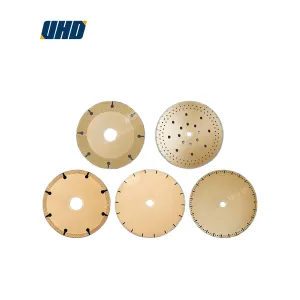
If you're seeing frequent blade chipping, inconsistent surface finish, or unexpected downtime in your hard material grinding operations—your diamond wheel might not be the right fit for your process. This isn’t just about wear—it’s about understanding the root causes and choosing a solution that lasts.
Based on over 300 field reports from clients in stone fabrication, ceramic tile production, and stainless steel machining, here are the top three failure modes:
To avoid these issues, follow this proven selection logic used by leading manufacturers in Europe and North America:
| Step | Key Consideration | Typical Mistake |
|---|---|---|
| 1. Material Compatibility | Match wheel type to substrate hardness (e.g., 120–180 grit for granite, 80–120 for hardened steel). | Using one-size-fits-all wheels across different materials. |
| 2. Grain Size Optimization | Coarser grains (40–80) for roughing; finer (120–200+) for finishing. | Choosing too fine a grain for high-load applications → rapid dulling. |
| 3. Bond Type Matching | Metal bonds for high-speed grinding; resin for precision work. | Using resin bonds in heavy-duty environments → early bond failure. |
| 4. Design Geometry | Segmented vs. continuous rim designs affect heat dissipation and chip removal. | Ignoring thermal management leads to warping and cracking. |
| 5. Workload Assessment | Evaluate cycle time, feed rate, and coolant use per shift. | Assuming "standard" usage when actual conditions vary significantly. |
In our lab tests with a 3-month continuous operation at 1,200 RPM and 500 kg/min feed rate, UHD brazed wheels showed:
If your current wheel fails before 80 hours of runtime—or if you’re spending more than 15% of your maintenance budget on replacements—you’re likely missing key optimization levers.
👉 Try our free Diamond Wheel Health Check Tool—it takes 2 minutes to identify whether your setup matches best practices. No sign-up required.
💡 Pro Tip: Ask yourself—does your wheel meet all three criteria?
✅ Matches material hardness
✅ Supports your operating speed
✅ Maintains consistent surface quality over 10+ hours