.png?x-oss-process=image/resize,h_400,m_lfit/format,webp)
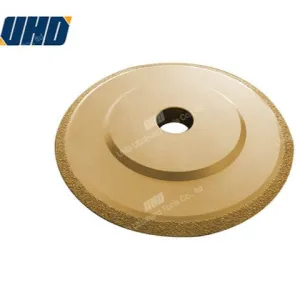
Diamond grinding wheels are indispensable tools for precision machining, particularly in processing challenging materials like gray cast iron. Among various bonding methods, brazing technology has emerged as a transformative solution to significantly improve the durability and impact resistance of diamond grinding wheels. This article delves into the underlying mechanisms of metal active brazing alloys (MABAs), illustrating how their unique chemical interactions at elevated temperatures form robust metallurgical bonds. By contrasting brazing with traditional electroplating and resin bonding, we provide practical insights on process optimization and application benefits that empower industrial users to maximize operational efficiency, safety, and sustainability.
Brazing involves joining diamond grits to a metal substrate through a high-temperature filler metal that melts below the base metals' melting points. Metal active brazing alloys (commonly containing elements like titanium (Ti) and chromium (Cr)) enable a three-step process:
This mechanism creates a high-strength interface capable of withstanding extreme mechanical and thermal stresses during grinding.
Titanium and chromium serve critical functions in enhancing bond strength. At brazing temperatures (typically 900–1000°C):
These elements diffuse into the diamond surface and substrate layers, significantly enhancing mechanical interlocking and chemical bonding, directly translating to increased wear and impact resistance during grinding operations.
.png)
| Bonding Method | Thermal Resistance | Impact Strength | Service Life |
|---|---|---|---|
| Brazing | High (900-1000°C) | Excellent | Longest (30%+ increase) |
| Electroplating | Medium (up to 300°C) | Moderate | Medium |
| Resin Bonding | Low (below 200°C) | Low | Shortest |
Fine-tuning process parameters is critical to harness brazing’s full potential. Key strategies include:
Implementation of these micro-adjustments supports sustained performance under high-strength grinding of gray cast iron components.
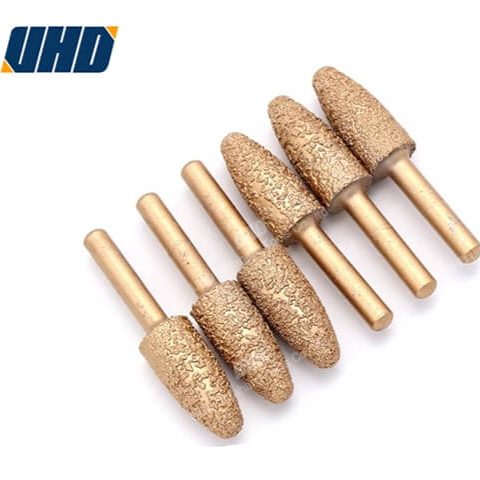
A leading automotive component manufacturer integrated brazed diamond grinding wheels in their gray cast iron finishing lines. Results after six months demonstrated:
Such outcomes affirm brazing technology's value in delivering cost-effective, reliable, and high-performance grinding solutions.
“Metal active brazing alloys represent a paradigm shift in diamond grinding technology, delivering unmatched bond strength that translates into longer tool life and consistent performance – key drivers for industrial efficiency.” — Dr. Emily Carter, Materials Science Expert

 431
|
431
|
 Ductile iron grinding parameters
Diamond wheel usage skills
Wheel breakage prevention
Curved surface grinding stress control
Grinding efficiency optimization
467
|
brazed diamond grinding disc quality control
diamond grinding disc lifespan improvement
ISO9001 superhard tool manufacturing
grinding disc performance optimization
industrial abrasive tool inspection
150
|
brazed diamond grinding disc
ISO9001 quality management
superhard tool durability
industrial grinding tool support
diamond grinding disc warranty
454
|
brazed diamond grinding disc technology
high wear resistance grinding disc quality control
ISO certified grinding disc standards
customized diamond grinding disc solutions
diamond disc performance optimization
200
|
diamond wheel life monitoring
grinding wheel wear detection
diamond grinding wheel maintenance
industrial tool lifecycle management
grinding force anomaly detection
Ductile iron grinding parameters
Diamond wheel usage skills
Wheel breakage prevention
Curved surface grinding stress control
Grinding efficiency optimization
467
|
brazed diamond grinding disc quality control
diamond grinding disc lifespan improvement
ISO9001 superhard tool manufacturing
grinding disc performance optimization
industrial abrasive tool inspection
150
|
brazed diamond grinding disc
ISO9001 quality management
superhard tool durability
industrial grinding tool support
diamond grinding disc warranty
454
|
brazed diamond grinding disc technology
high wear resistance grinding disc quality control
ISO certified grinding disc standards
customized diamond grinding disc solutions
diamond disc performance optimization
200
|
diamond wheel life monitoring
grinding wheel wear detection
diamond grinding wheel maintenance
industrial tool lifecycle management
grinding force anomaly detection