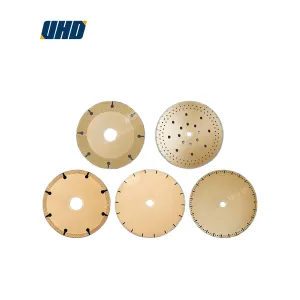
In today's industrial machining landscape, optimizing grinding wheel durability is vital for improved operational efficiency and cost reduction. Brazing technology emerges as a pivotal method in elevating the wear resistance and impact toughness of diamond grinding wheels, especially for high-demand applications such as cast iron machining where wheel edge chipping is a frequent challenge.
Brazing involves joining diamond abrasive grains to a metal wheel body using a high-temperature alloy filler — commonly termed the active brazing alloy. The selection of the alloy, enriched with reactive elements like titanium or zirconium, ensures strong metallurgical bonding at the diamond-metal interface. This intimate bond not only secures the diamond particles firmly but also enhances load transfer mechanisms that minimize abrasive grain pull-out during intense grinding.
Compared to traditional bonding methods such as electroplating and resin bonding, brazing excels due to its higher interface strength, typically exceeding 40 MPa, as verified in micro-tensile testing. This robust bonding capacity translates to increased resistance to abrasive wear and mechanical shocks — critical in industrial environments subject to cyclic stress and temperature fluctuations up to 900°C.
Figure 1 demonstrates the microstructure of a brazed diamond interface, revealing a continuous metallurgical joint layer approximately 10 microns thick, which imparts enhanced toughness and crack resistance.
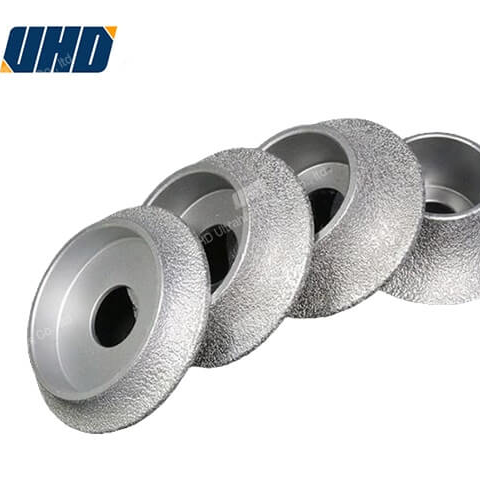
While electroplating creates a thin metal layer to embed diamonds, its bonding strength usually averages 20 MPa, prone to fatigue under thermal cycling. Resin-bonded wheels offer flexibility but lack high-temperature stability and can degrade under continuous load.
| Property | Brazed Wheels | Electroplated Wheels | Resin Bonded Wheels |
|---|---|---|---|
| Bond Strength (MPa) | ≥ 40 | ~20 | ~15 |
| Thermal Stability (°C) | Up to 900 | Up to 600 | Up to 200 |
| Impact Resistance | High | Moderate | Low |
| Typical Service Life | 300+ hrs | 150-200 hrs | 80-120 hrs |
Advanced brazing demands precise thermal management. Controlling temperature gradients within ±10°C around the brazing zone ensures uniform filler flow and prevents localized overheating that could damage diamond integrity. During brazing, optimal heating rates between 5-8°C/min foster homogeneous diffusion bonding and mitigate thermal stresses.
Additionally, strategic diamond grain arrangement enhances the wheel’s mechanical performance. Increasing diamond packing density up to 60% by volume improves abrasive efficiency but necessitates tighter control on filler infiltration to avoid voids. Layered diamond distributions tailored per grinding application optimize wear patterns, balancing cutting force and longevity.
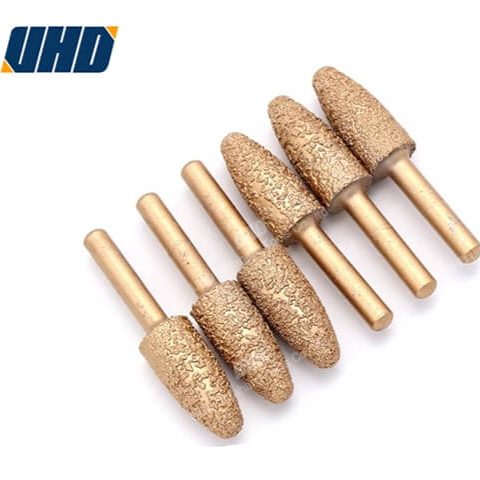
A leading European manufacturer of automotive engine components faced recurring edge chipping with traditional resin-bonded diamond grinding wheels, causing unscheduled downtime and quality defects. After switching to a brazed diamond wheel designed with active titanium-based fillers and optimized diamond grain layout, the customer reported:
This outcome validates the theoretical advantages of brazing technology when combined with carefully calibrated process parameters, reinforcing its suitability for rigorous industrial environments.


 402
|
402
|
 diamond grinding wheel longevity
abrasive wheel selection guide
high-performance grinding solutions
brazed diamond wheel applications
surface finish optimization
294
|
brazed diamond grinding wheel
diamond grinding wheel durability
industrial grinding tools
ISO9001 quality management
grinding wheel performance testing
267
|
brazed diamond grinding wheel abnormal wear
brazed diamond wheel lifespan extension
superhard tool quality management
industrial grinding tool after-sales support
ISO9001 certified grinding wheels
311
|
Brazed diamond grinding wheels
Wear resistance improvement
Impact - resistant grinding wheel technology
Gray cast iron processing solutions
Super - hard abrasive tool selection guide
200
|
diamond wheel life monitoring
grinding wheel wear detection
diamond grinding wheel maintenance
industrial tool lifecycle management
grinding force anomaly detection
diamond grinding wheel longevity
abrasive wheel selection guide
high-performance grinding solutions
brazed diamond wheel applications
surface finish optimization
294
|
brazed diamond grinding wheel
diamond grinding wheel durability
industrial grinding tools
ISO9001 quality management
grinding wheel performance testing
267
|
brazed diamond grinding wheel abnormal wear
brazed diamond wheel lifespan extension
superhard tool quality management
industrial grinding tool after-sales support
ISO9001 certified grinding wheels
311
|
Brazed diamond grinding wheels
Wear resistance improvement
Impact - resistant grinding wheel technology
Gray cast iron processing solutions
Super - hard abrasive tool selection guide
200
|
diamond wheel life monitoring
grinding wheel wear detection
diamond grinding wheel maintenance
industrial tool lifecycle management
grinding force anomaly detection