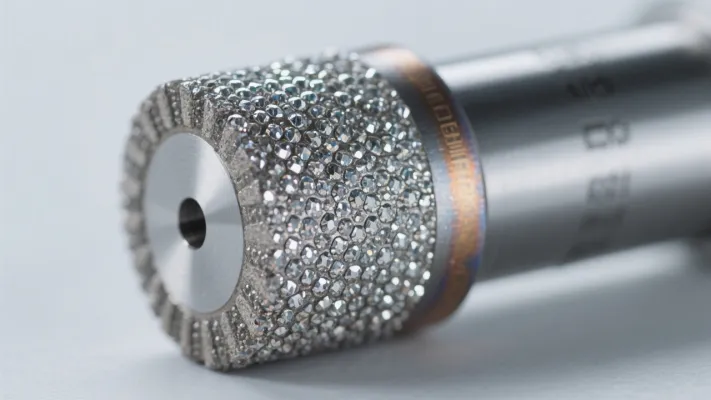
Diamond grinding wheels are indispensable in ultra-hard abrasive machining, particularly when working on materials such as gray cast iron. Traditional bonding methods like electroplating and resin bonding often struggle with limitations in thermal stability and mechanical durability. Brazing technology, however, emerges as a transformative solution, significantly improving both the wear resistance and impact strength of diamond grinding wheels, leading to longer service lives and higher machining efficiency.
At its essence, brazing is a metallurgical joining process where a metal active brazing alloy fuses the diamond abrasive to the metal wheel base at temperatures typically between 850°C and 980°C. Unlike adhesives in resin bonding or the purely physical attachment in electroplating, brazing creates a robust metallurgical bond. This bond facilitates improved load transfer and mechanical interlocking, which directly enhances performance under harsh operational conditions.
Selecting the right metal active brazing alloy, often consisting of nickel-based matrices with activated elements such as titanium or chromium, is critical. These elements react with the diamond surface to form a stable interfacial carbide layer, contributing to an exceptional bond strength frequently exceeding 40 MPa shear strength — far outperforming typical resin bonds that average around 10-15 MPa.
This robust interface minimizes abrasive grain shedding and significantly reduces wheel failure under dynamic loads, hence elevating impact resistance. Moreover, brazing's inherent high-temperature stability allows grinding wheels to operate continuously at temperatures surpassing 500°C without bond degradation—a clear advantage over resin-bonded wheels that often soften above 200°C.
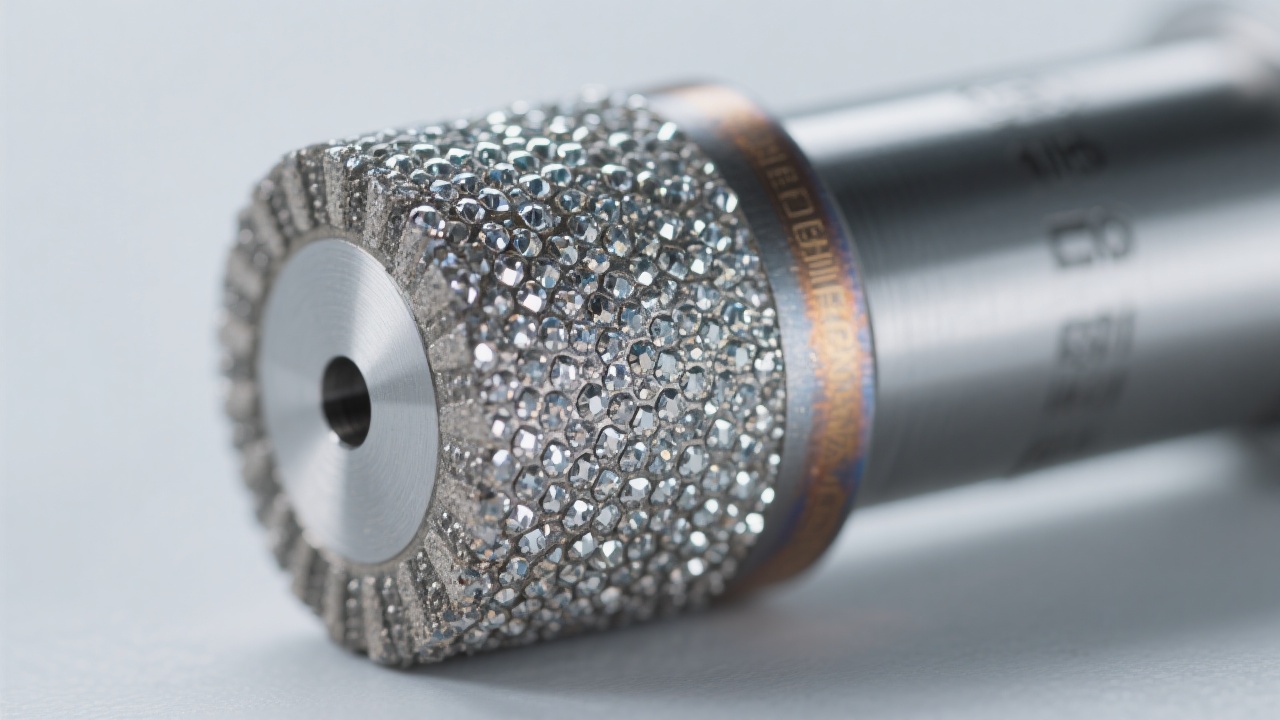
When operating in extreme conditions such as high-strength grinding of gray cast iron, brazed diamond grinding wheels demonstrate:
These advantages translate into improved productivity, reduced tooling costs, and above all, safer machining environments.
To maximize brazed wheel performance under demanding conditions, process engineers adjust key parameters such as temperature gradients during brazing and the distribution density of diamond grains. Controlling the thermal profile prevents interface stress concentration, mitigating microcracks, whereas optimized diamond layouts balance cutting efficiency with abrasive support.
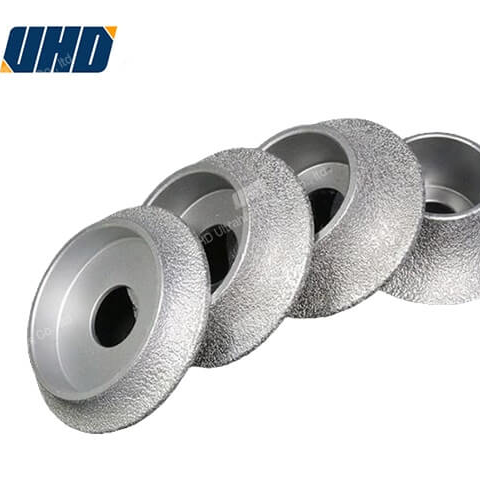
A leading manufacturing plant reported a 40% reduction in grinding wheel replacement frequency after switching to brazed diamond wheels. Process parameters were fine-tuned to maintain brazing temperatures at 920°C with a slow cooling phase to stabilize the carbide interface. As a result, machining efficiency increased by 15%, and workpiece surface finish quality improved significantly — demonstrating the practical benefits for industrial users.

 421
|
421
|
 brazed diamond grinding wheels
custom diamond tools
CE certified grinding tools
multilingual technical support
international manufacturing suppliers
350
|
Brazed diamond grinding tool maintenance
Brazed diamond tool service life
Industrial grinding tool selection
Customized brazed tool design
Industrial processing efficiency improvement
185
|
brazed diamond grinding wheels
ISO 9001 manufacturing process
industrial grinding tools
high-performance grinding solutions
custom diamond wheel design
174
|
brazed diamond grinding wheel
custom grinding wheel solution
wear-resistant grinding tools
diamond wheel for hard materials
grinding efficiency optimization
199
|
diamond saw blade wet and dry cutting techniques
400mm saw blade usage guide
saw blade heat dissipation design advantages
stone processing tool maintenance
brazed diamond saw blade maintenance
brazed diamond grinding wheels
custom diamond tools
CE certified grinding tools
multilingual technical support
international manufacturing suppliers
350
|
Brazed diamond grinding tool maintenance
Brazed diamond tool service life
Industrial grinding tool selection
Customized brazed tool design
Industrial processing efficiency improvement
185
|
brazed diamond grinding wheels
ISO 9001 manufacturing process
industrial grinding tools
high-performance grinding solutions
custom diamond wheel design
174
|
brazed diamond grinding wheel
custom grinding wheel solution
wear-resistant grinding tools
diamond wheel for hard materials
grinding efficiency optimization
199
|
diamond saw blade wet and dry cutting techniques
400mm saw blade usage guide
saw blade heat dissipation design advantages
stone processing tool maintenance
brazed diamond saw blade maintenance