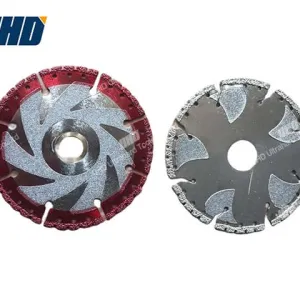
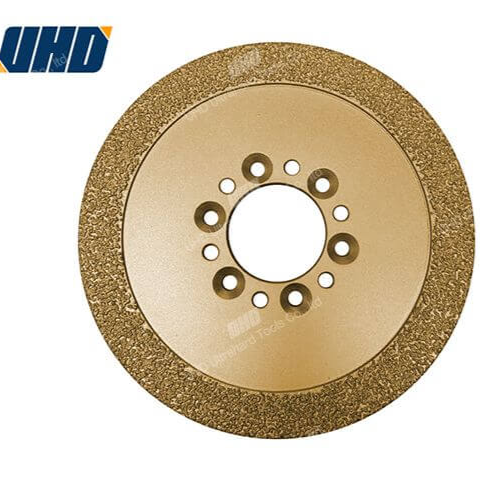
Brazed diamond grinding wheels stand at the forefront of high-intensity industrial grinding tools, leveraging state-of-the-art brazing techniques combined with premium-quality diamond abrasives. This synergy achieves exceptional wear resistance and impact toughness that are critical for processing demanding materials such as metals, ceramics, glass, and cemented carbides. The following technical analysis details the manufacturing excellence, rigorous ISO 9001 quality management enforcement, and application versatility driving their rising adoption among procurement managers and technical decision-makers worldwide.
The hallmark of brazed diamond grinding wheels lies in their bonding method: a high-temperature brazing process anchors ultra-hard diamond particles onto a durable metal core with robust metallurgical adhesion. This process minimizes abrasive grain pullout and surface degradation during high-speed operations. Wear resistance gains a quantitative edge—as demonstrated by ISO-standardized abrasion tests—showing up to a 40% improvement in wheel life versus resin-bonded counterparts under equivalent load conditions (load: 30 N; speed: 35 m/s).
Moreover, impact toughness—critical for withstanding mechanical shocks during intermittent grinding—benefits from the intrinsic strength of the metallic bond combined with diamond’s fracture resistance. Cycle fatigue tests according to ASTM E929 have confirmed a 25% increase in peak impact load tolerance before crack initiation, ensuring operational reliability in heavy-duty machining environments.
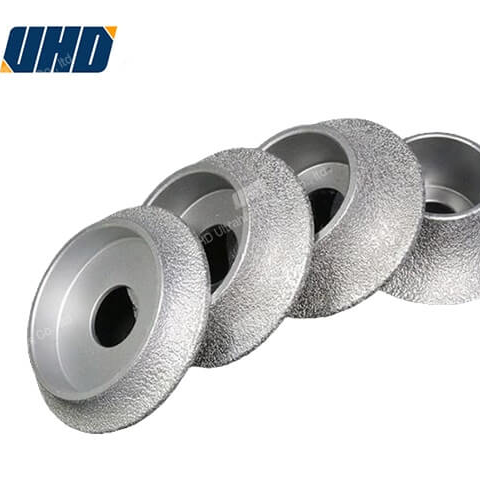
Operating under the stringent ISO 9001 certification framework, manufacturers of brazed diamond wheels maintain comprehensive quality management systems. Process controls extend from raw material traceability to precise thermal brazing parameters—temperature profiles tightly held within ±3°C around 850°C—to ensure repeatable metallurgical bonds and abrasive integrity.
Statistical process control (SPC) monitors wheel concentricity and surface roughness, keeping variance within ±0.01 mm and Ra 0.6 µm respectively. Such rigorous standards translate into exceptional product consistency, reinforcing customer confidence in batch-to-batch performance uniformity—an indispensable factor for large-scale production uses.
The product range offers extensive customization options, including variable grain size (from 30/40 to 120/140 mesh), wheel diameter (ranging between 100 mm to 600 mm), and core thickness adjustments tailored for application-specific demands. These specifications accommodate efficient grinding of diverse substrates:
By aligning wheel properties with material hardness (Mohs scale from 6 to 9) and grind force requirements, these wheels deliver optimized machining efficiency and surface finish quality, minimizing operational downtime.
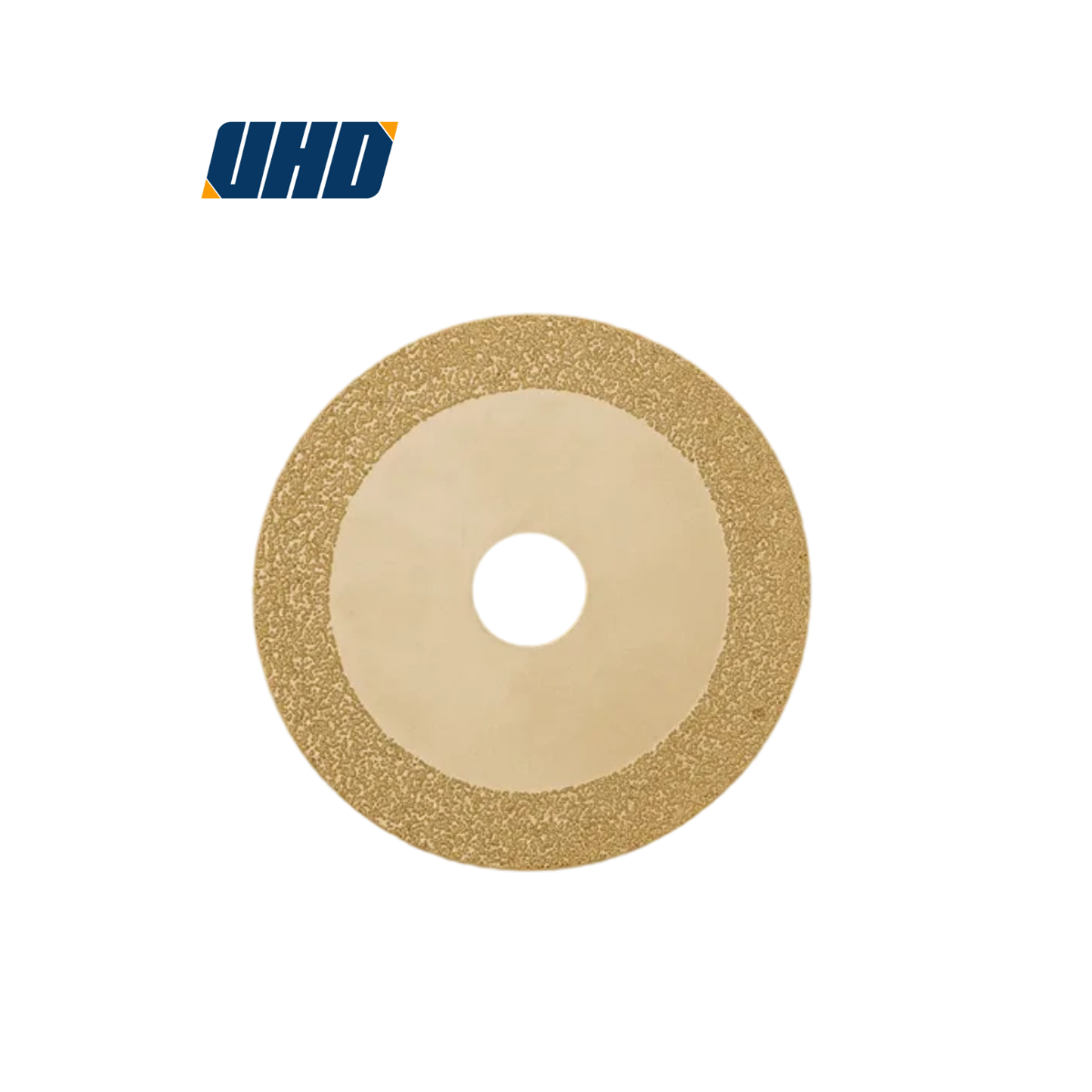
Beyond product excellence, expert consultation services provide detailed application guidance, helping customers maximize equipment uptime and optimize grinding parameters such as feed rate, wheel speed, and coolant flow. Real-world case studies exhibit up to a 15% increase in throughput and a 10% reduction in wheel consumption following custom tooling and process fine-tuning.
For procurement managers and technical leads, partnering with a supplier offering bespoke solutions backed by analytical data and hands-on support mitigates risks and enhances ROI—fundamental to strategic operational decisions.

 431
|
431
|
 Ductile iron grinding parameters
Diamond wheel usage skills
Wheel breakage prevention
Curved surface grinding stress control
Grinding efficiency optimization
308
|
brazed diamond grinding wheel
ISO9001 quality management
diamond grinding wheel performance test
industrial grinding tool quality control
diamond wheel durability
Ductile iron grinding parameters
Diamond wheel usage skills
Wheel breakage prevention
Curved surface grinding stress control
Grinding efficiency optimization
308
|
brazed diamond grinding wheel
ISO9001 quality management
diamond grinding wheel performance test
industrial grinding tool quality control
diamond wheel durability
 361
|
diamond grinding wheel durability
grinding wheel maintenance
material hardness matching
dressing frequency optimization
industrial grinding tools
219
|
diamond wheel maintenance
diamond wheel wear detection
grinding efficiency improvement
brazed diamond grinding wheel
industrial tool life management
361
|
diamond grinding wheel durability
grinding wheel maintenance
material hardness matching
dressing frequency optimization
industrial grinding tools
219
|
diamond wheel maintenance
diamond wheel wear detection
grinding efficiency improvement
brazed diamond grinding wheel
industrial tool life management
 372
|
Dual Function Diamond Tools
Cutting Tools
Grinding tools
Efficiency Tools
372
|
Dual Function Diamond Tools
Cutting Tools
Grinding tools
Efficiency Tools