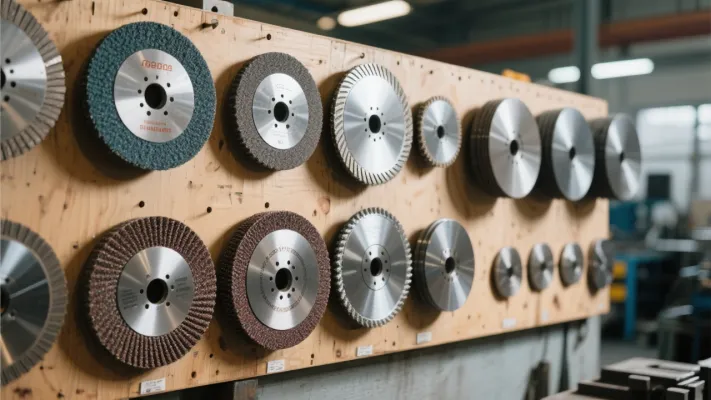
In high-load grinding—especially on hard and brittle materials—the wheel is not simply a consumable. It becomes a production variable that affects scrap rate, cycle time, and operator safety. UHD (Henan Youde Superhard Tools Co., Ltd.) focuses on brazed diamond grinding wheels engineered for high wear resistance, impact tolerance, and structure stability under continuous stress. For buyers comparing grinding solutions, the real question is not “diamond or not,” but how the diamond is held—and how consistently that holding force can be replicated from batch to batch.
Best-fit scenarios
Ceramics, carbide, quartz, stone, glass, and hard coatings; heavy stock removal; frequent starts/stops.
Buyer KPI
Material removal rate (MRR), wheel life, edge integrity, vibration stability, thermal damage control.
Decision shortcut
If downtime is expensive, brazing can outperform resin bonding in duty cycles where glazing and premature wear dominate.
Compared with conventional bonding, brazing forms a metallurgical bond between diamond and the wheel body. In practical terms, the abrasive is less likely to pull out during impact events (e.g., interrupted grinding, uneven workpieces, or aggressive infeed). Many factories see this translate into fewer “mystery failures” on the line—where the wheel still looks intact but performance suddenly drops.
Reference data (shop-floor typical): In heavy grinding on ceramics and carbide, brazed diamond wheels often deliver 1.5–3.0× service life versus general resin-bond wheels, while keeping a more stable cutting action over time (fewer dressing interruptions).
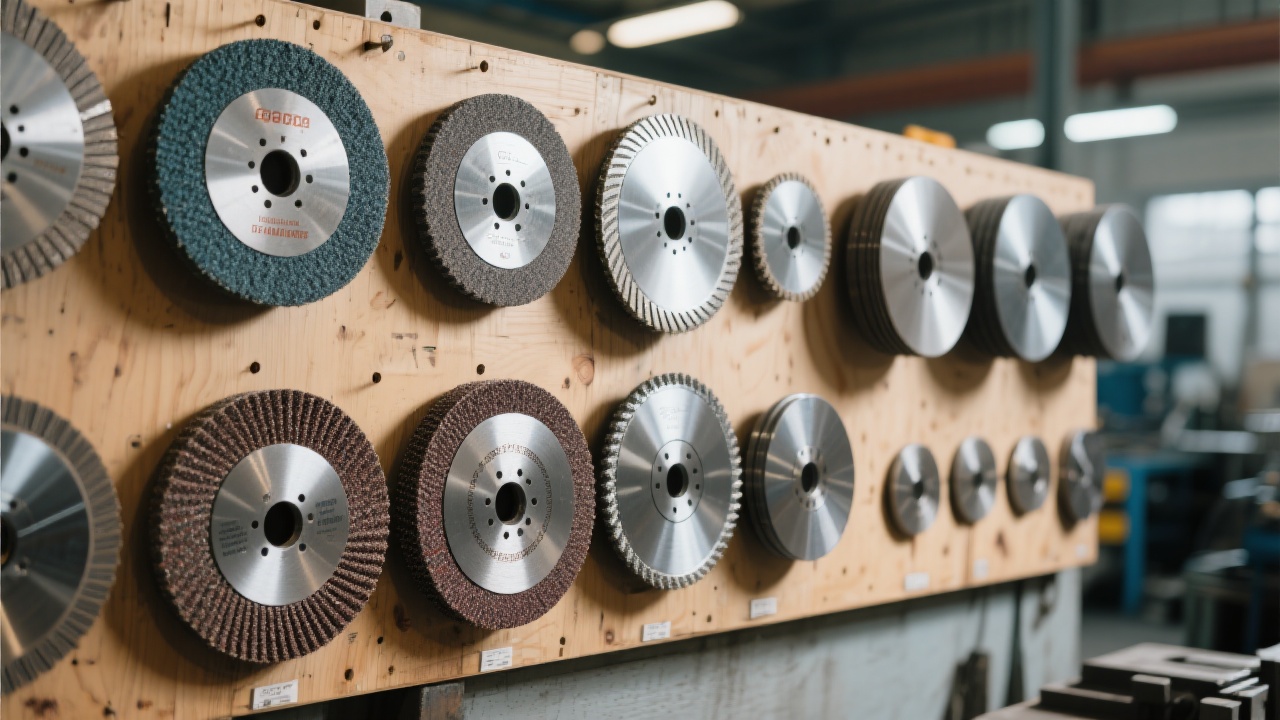
Wear resistance is not only about diamond hardness. It’s about how long effective cutting edges remain available. When retention is weak, diamonds detach before they are fully utilized—effectively turning premium diamond into wasted cost. With brazed structures, more abrasive grains stay engaged longer, so the wheel maintains cutting efficiency and reduces the need for frequent dressing.
Impact events are common in industrial grinding: clamping inconsistencies, part edges, keyways, holes, or slight spindle runout. Under these conditions, a wheel must resist micro-chipping and sudden grain loss. Brazed diamond wheels are valued because they remain structurally coherent even when the process becomes less than perfect.
Stability is the quiet factor behind surface quality. Even a premium abrasive can underperform if the wheel geometry drifts, balance is inconsistent, or heat accumulates at the contact zone. UHD’s approach is to treat the wheel as a system: substrate selection, brazed layer design, and manufacturing controls all work together to keep the wheel “true” under load.
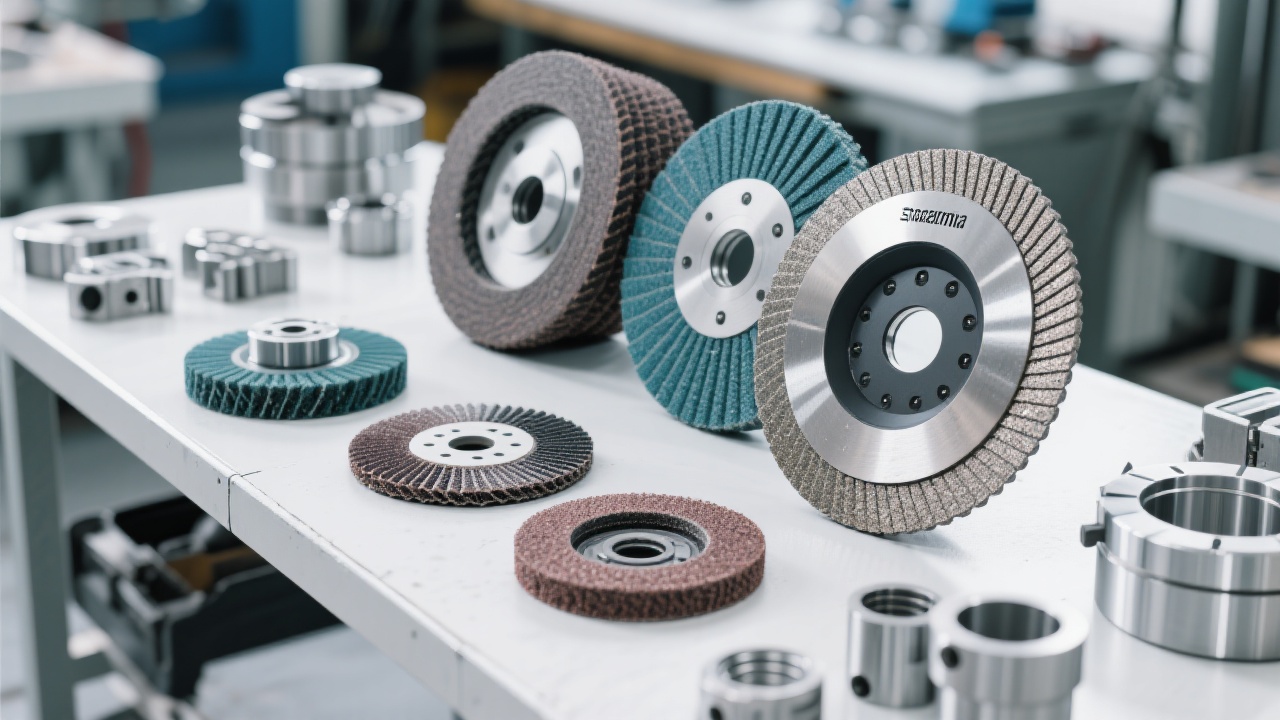
Note: ranges vary by machine rigidity, coolant strategy, and workpiece hardness. Buyers typically validate with a short pilot run and measurable KPIs.
In B2B procurement, performance is not judged by one good wheel—it’s judged by the tenth shipment. UHD emphasizes standardized manufacturing and inspection routines aligned with ISO-based quality management. For buyers, this reduces the hidden cost of re-qualifying wheels or adjusting process parameters for every batch.
“Consistency is not a marketing word in grinding—it’s the difference between stable yield and daily firefighting.” — common feedback from high-mix production workshops
Many projects fail not because the wheel is “bad,” but because it is generic. UHD frequently supports customized specifications to match machine power, grinding mode, coolant conditions, and target surface finish. The most effective customization is not complex—it’s disciplined: define measurable targets, then tune only the parameters that actually drive them.
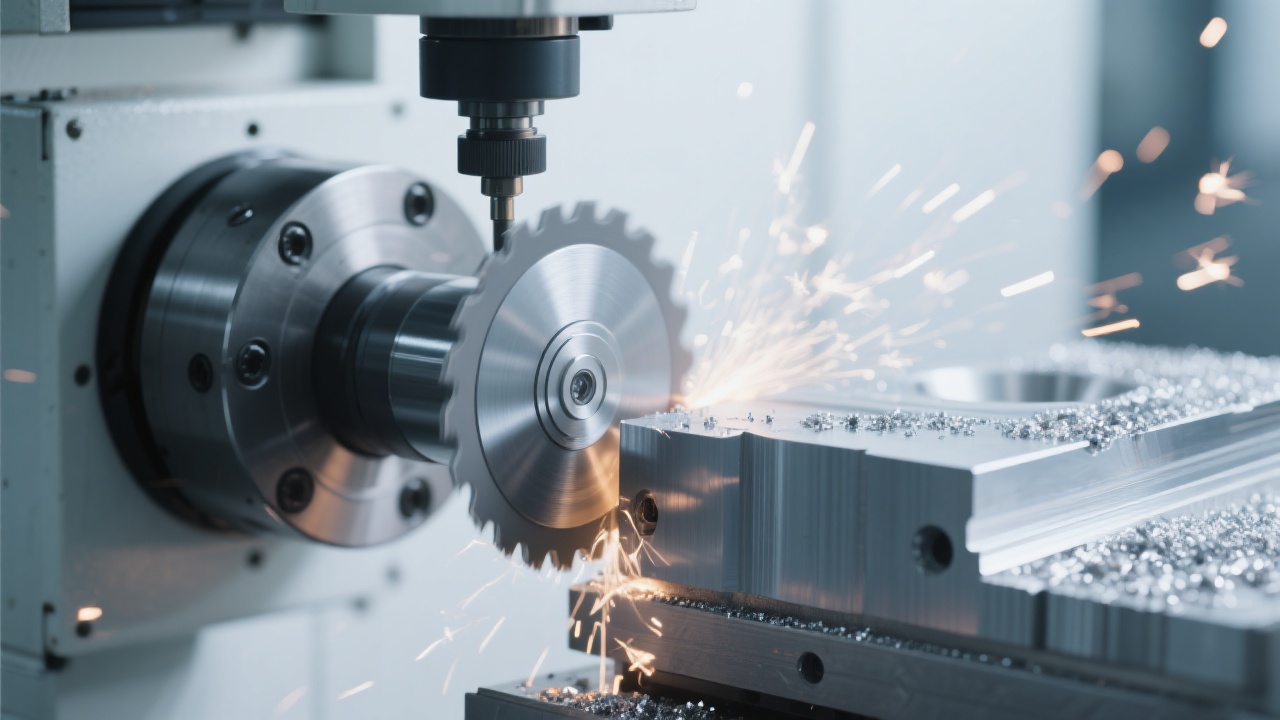
For an interrupted grinding application on technical ceramics, a buyer often targets stable removal while controlling edge chipping. A common approach is to adjust grit size and working layer geometry, then validate with a pilot run of 50–200 parts. Factories frequently report 10–25% cycle-time improvement after parameter tuning—primarily by reducing dressing stops and minimizing rework.
Material type, machining goal (MRR or finish), wheel dimensions, machine spindle speed/power, wet or dry grinding, and sample parts or drawings. If available, share current wheel issues (glazing, chipping, burn marks, short life) and target improvement.
Use measurable KPIs: parts per wheel, cumulative grinding time, dressing frequency, and scrap/rework rate. Many buyers also track process stability indicators such as vibration changes and dimensional drift across a shift.
Not always. Resin bond can be ideal for fine finishing and lower-force applications. Brazed diamond tends to win when impact events, heavy load, and productivity demands make retention strength and stability the primary constraints.
Interactive question: What is the single biggest bottleneck in your current grinding process—wheel life, surface finish, edge chipping, or cycle time? The answer usually points directly to the parameter that should be customized first.
Share your material, wheel size, machine speed, and current pain points. UHD can propose a fit-for-process specification and support pilot validation with measurable KPIs.
Request a Custom Brazed Diamond Grinding Wheel RecommendationTypical response includes suggested grit/concentration, working layer design, and process notes for your grinding conditions.

 444
|
444
|
 brazed diamond grinding wheel quality control
ISO9001 superhard tool manufacturing
diamond wheel wear resistance testing
industrial grinding tool after-sales service
superhard material grinding solutions
79
|
Custom non - standard diamond wheels
Brazed diamond wheel customization process
Precision grinding solutions
CE - certified industrial tools
High - precision wheel customization
76
|
Brazed diamond grinding discs
High - performance grinding discs
Hard material grinding
Customized grinding disc solutions
Grinding disc selection guide
219
|
diamond wheel maintenance
diamond wheel wear detection
grinding efficiency improvement
brazed diamond grinding wheel
industrial tool life management
201
|
brazed diamond grinding tools
custom grinding tools for stone
industrial grinding efficiency
diamond tool maintenance
grinding tool selection guide
brazed diamond grinding wheel quality control
ISO9001 superhard tool manufacturing
diamond wheel wear resistance testing
industrial grinding tool after-sales service
superhard material grinding solutions
79
|
Custom non - standard diamond wheels
Brazed diamond wheel customization process
Precision grinding solutions
CE - certified industrial tools
High - precision wheel customization
76
|
Brazed diamond grinding discs
High - performance grinding discs
Hard material grinding
Customized grinding disc solutions
Grinding disc selection guide
219
|
diamond wheel maintenance
diamond wheel wear detection
grinding efficiency improvement
brazed diamond grinding wheel
industrial tool life management
201
|
brazed diamond grinding tools
custom grinding tools for stone
industrial grinding efficiency
diamond tool maintenance
grinding tool selection guide