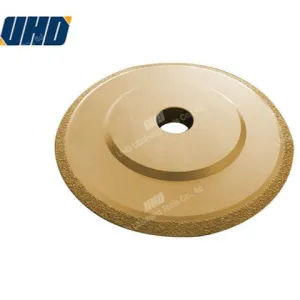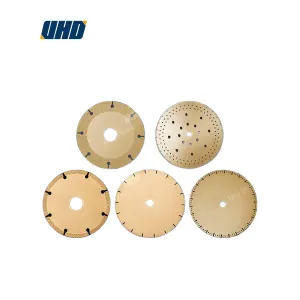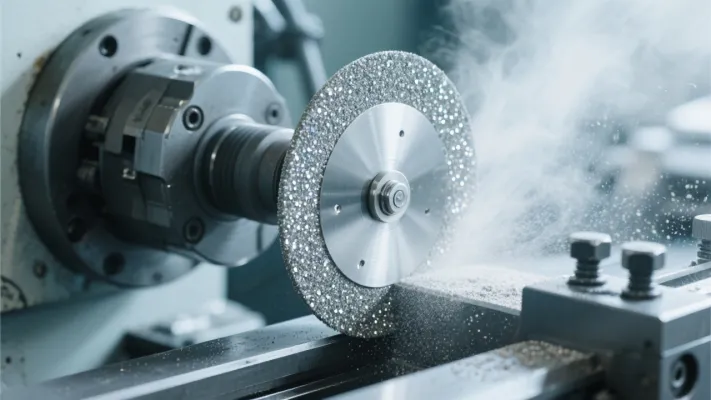
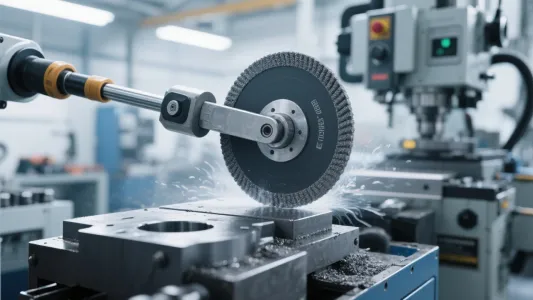
Consistent results with a brazed diamond grinding wheel depend on more than the abrasive itself. For high-precision ductile iron grinding, operators and process engineers should verify wheel and machine compatibility, secure installation, suitable grinding conditions, and effective coolant delivery. UHD Ultrahard Tools shares the following operating and troubleshooting guidance as a framework for process control—not as a substitute for the wheel manufacturer’s instructions or the machine maker’s safety requirements.
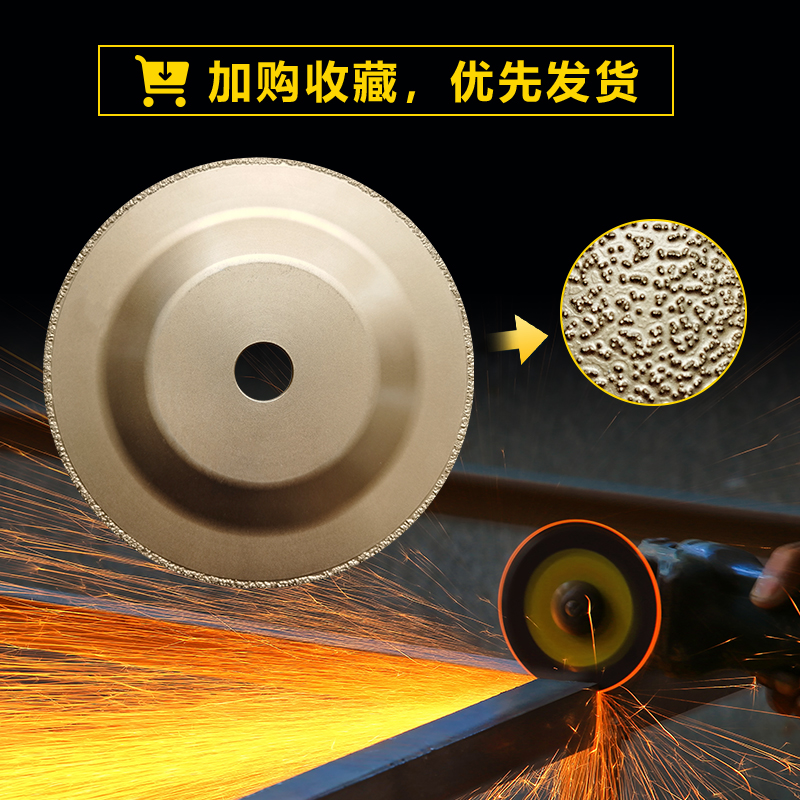
Before mounting, confirm that the wheel specification is suitable for the workpiece, grinding operation, machine, and required surface finish. Check the wheel identification and condition, including visible cracks, chipped areas, deformation, or other signs of damage. Do not use a wheel if its condition or specification cannot be verified.
Use only operating limits and process recommendations provided by the wheel supplier and machine manufacturer. If the application, wheel specification, or machine setup is uncertain, resolve the question with the relevant technical teams before starting production.
Grinding parameters should be selected for the wheel specification, machine capability, workpiece geometry, and quality requirements. There is no universal setting that can be applied to every ductile iron operation. Record the approved conditions and change them only through a controlled process evaluation.
| Process factor | What to verify |
|---|---|
| Wheel speed and feed | Stay within the wheel’s rated limits and the machine’s approved operating range. Avoid unreviewed changes to speed, feed, or infeed. |
| Contact and engagement | Maintain a stable, suitable contact condition for the workpiece geometry. Pay particular attention to transitions and curved surfaces where local loading may increase. |
| Coolant delivery | When wet grinding is approved, verify coolant suitability, cleanliness, flow, and delivery to the grinding zone in accordance with the process and equipment requirements. |
| Workholding and alignment | Check that the workpiece is securely held and correctly aligned to reduce vibration, unintended movement, and uneven contact. |
For operations that use coolant, ensure that delivery is stable and reaches the active grinding area. Poorly directed or inconsistent coolant can make process conditions less stable and complicate evaluation of surface defects. Confirm that the coolant type and use are compatible with the wheel, workpiece, and machine process.
During curved-surface machining, contact conditions can change across the tool path and may concentrate stress in a localized area. Review the path, engagement, and workholding when damage or inconsistent finish appears near a curve or transition. Avoid forcing contact or making abrupt, unapproved changes to the grinding cycle.
If wheel damage, abnormal vibration, unusual noise, or a workpiece surface defect is observed, stop the operation and follow the machine’s safe shutdown and inspection procedures. Do not continue grinding with a suspect wheel.
| Observed condition | Checks to make |
|---|---|
| Wheel damage or chipping | Inspect the wheel, mounting, clamping, clearances, contact conditions, and any abrupt loading. Remove a damaged wheel from service according to the applicable procedure. |
| Uneven finish or localized marks | Review wheel runout, workpiece alignment and stability, path transitions, contact consistency, and coolant delivery where applicable. |
| Vibration or unstable grinding | Check the machine setup, wheel seating and balance, workholding, and operating conditions. Do not exceed approved limits or bypass machine safeguards. |
| Recurring defects at curved sections | Examine local engagement, path transitions, and workpiece support for possible stress concentration or changing contact conditions. |
Document the wheel specification, machine setup, approved grinding conditions, coolant practice, and inspection observations for each process. When a defect occurs, change one verified factor at a time where practicable and assess the result against the required workpiece criteria. UHD Ultrahard Tools focuses on superhard material tools and application-oriented product solutions; for a specific grinding setup, confirm the appropriate wheel and operating instructions with the relevant technical contacts.


 122
|
 brazed diamond grinding wheels wear resistance impact resistance high-strength grinding tools customized brazed grinding wheels
 143
|
diamond grinding wheel failure diagnosis grinding efficiency improvement techniques brazed diamond wheel maintenance industrial grinding tool life management wheel wear condition identification
 107
|
Diamond grinding wheel life management Grinding force change trend Brazed grinding wheel maintenance Grinding wheel wear identification Industrial grinding tool maintenance
 387
|
Diamond grinding wheel maintenance Grinding wheel life management Grinding efficiency improvement Abrasive grain shedding identification Brazed grinding wheel maintenance
 297
|
welded diamond grinding wheel ductile iron grinding grinding wheel calibration grinding parameter optimization contour grinding stress