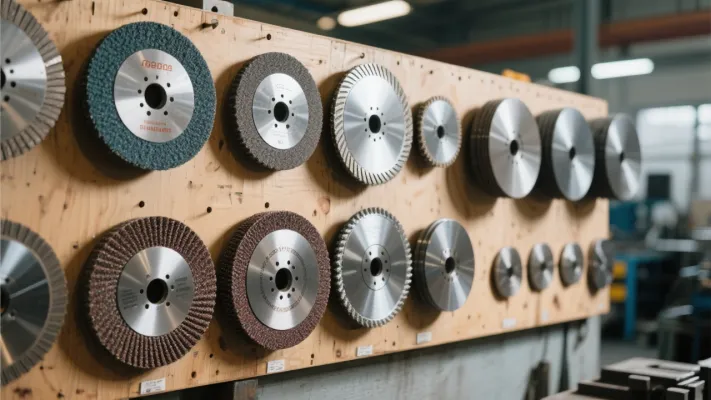
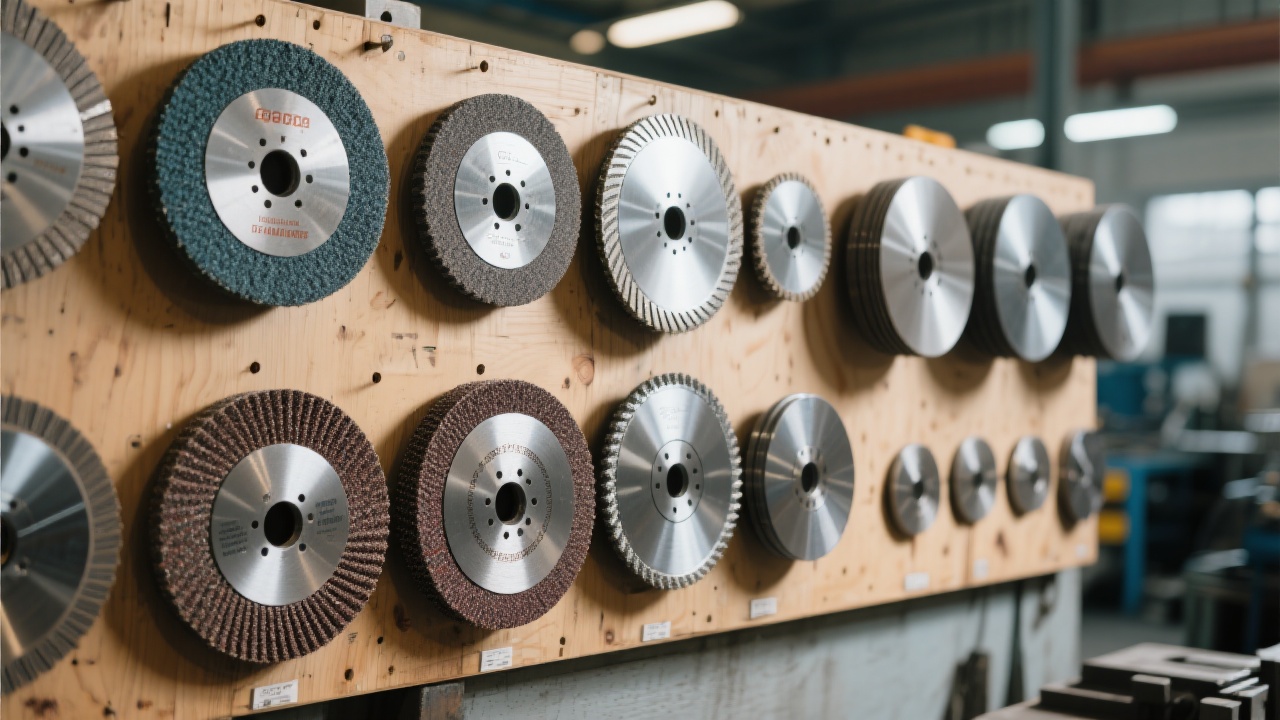
In modern manufacturing, optimizing grinding tool specifications alongside substrate materials is pivotal to enhancing operational efficiency, extending tool life, and minimizing downtime. The precise matching of brazed diamond grinding tools—spanning diameters from 100mm to 180mm—with substrate compositions dramatically influences cutting forces, heat dissipation, and wear resistance.
Brazed diamond grinding tools’ diameters directly affect their mechanical stability and heat management capacity. For instance, a 180mm-diameter tool offers superior thermal dispersion due to its larger surface area, reducing hot spots and thermal degradation during high-speed machining. Conversely, 100mm tools provide greater precision but bear higher risk under elevated loads.
Substrate material choice further dictates tool performance under stress:
Real-world application demonstrates that tungsten carbide substrates paired with larger tool diameters (>150mm) perform optimally in processing hard materials like hardened steel, where cutting forces peak at approximately 500 N.
| Tool Diameter | Recommended Substrate | Suitable Workpiece Material | Performance Notes |
|---|---|---|---|
| 180 mm | Tungsten Carbide | Hardened Steel, Cast Iron | Ideal for high-speed, high-force grinding |
| 140 mm | High-Speed Steel | Gray Cast Iron, Alloy Steel | Good balance of precision and durability |
| 100 mm | High-Speed Steel | Soft Steel, Non-Ferrous Metals | Fine precision with lower load tolerance |
Understanding the unique characteristics of various materials is crucial for tailoring diamond concentration, matrix hardness, and edge design:
Effective customization requires a balanced approach:
Consistent tool care extends service life and ensures stable performance. A five-step daily cleaning process is recommended:
Implementing a standardized maintenance log enhances accountability and facilitates predictive replacements, reducing unplanned downtime.
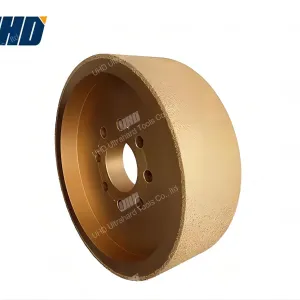
One leading automotive parts manufacturer adopted UHD customized brazed diamond tools configured with 160mm diameter tungsten carbide substrates tailored for cast iron machining.
This example validates how precise tool-specification matching and substrate optimization translate into measurable operational benefits.

 436
|
436
|
 diamond wheel wear prediction
grit detachment analysis
diamond grinding wheel lifespan
industrial grinding tool maintenance
brazed diamond wheel usage
diamond wheel wear prediction
grit detachment analysis
diamond grinding wheel lifespan
industrial grinding tool maintenance
brazed diamond wheel usage
 425
|
brazed diamond grinding wheels
grinding wheel lifespan extension
ISO9001 quality control
industrial grinding solutions
superabrasive tools
425
|
brazed diamond grinding wheels
grinding wheel lifespan extension
ISO9001 quality control
industrial grinding solutions
superabrasive tools
 319
|
Heavy Grinding Wheel
Grinding tools
Industrial grinding wheel
Abrasive
Grinding efficiency
319
|
Heavy Grinding Wheel
Grinding tools
Industrial grinding wheel
Abrasive
Grinding efficiency
 372
|
Dual Function Diamond Tools
Cutting Tools
Grinding tools
Efficiency Tools
214
|
brazed diamond grinding wheels
diamond wheel bonding methods
high-temperature grinding tools
superhard abrasive longevity
industrial grinding efficiency
372
|
Dual Function Diamond Tools
Cutting Tools
Grinding tools
Efficiency Tools
214
|
brazed diamond grinding wheels
diamond wheel bonding methods
high-temperature grinding tools
superhard abrasive longevity
industrial grinding efficiency








.png?x-oss-process=image/resize,m_fill,h_400,w_400/format,webp)