In today's competitive manufacturing landscape, metalworking professionals face a persistent challenge: balancing productivity with operational costs. A recent industry survey revealed that 37% of production downtime in metal fabrication facilities can be directly attributed to suboptimal tool performance and frequent更换需求. This not only impacts production schedules but also significantly increases operational expenses. The solution lies in selecting the right abrasive tools—specifically, brazed diamond tools that offer superior performance and longevity.
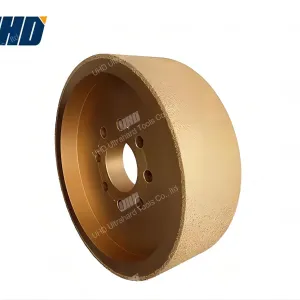
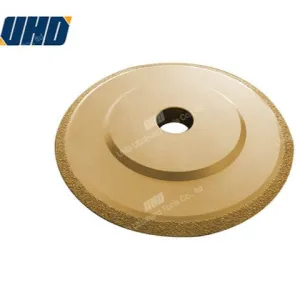
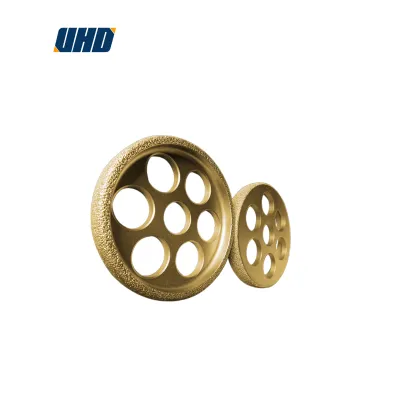
The performance of brazed diamond tools begins with the quality of materials and manufacturing processes. Premium brazed diamond tools utilize high-grade synthetic diamonds with a grit size range of 30-120 mesh, selected based on specific application requirements. What truly sets these tools apart is the advanced vacuum brazing technology employed during production.
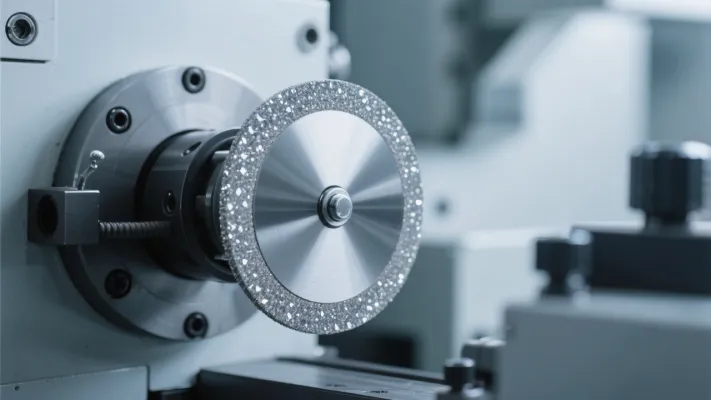
Unlike traditional electroplated or sintered tools, vacuum brazing creates a metallurgical bond between the diamond particles and the tool substrate. This process occurs in a controlled environment at temperatures exceeding 850°C, ensuring maximum diamond exposure (typically 70-80% of the diamond height) while maintaining exceptional bond strength. The result is a tool that delivers 3-5 times longer service life compared to conventional abrasive tools, as validated by independent testing conducted by the International Abrasive Technology Institute.
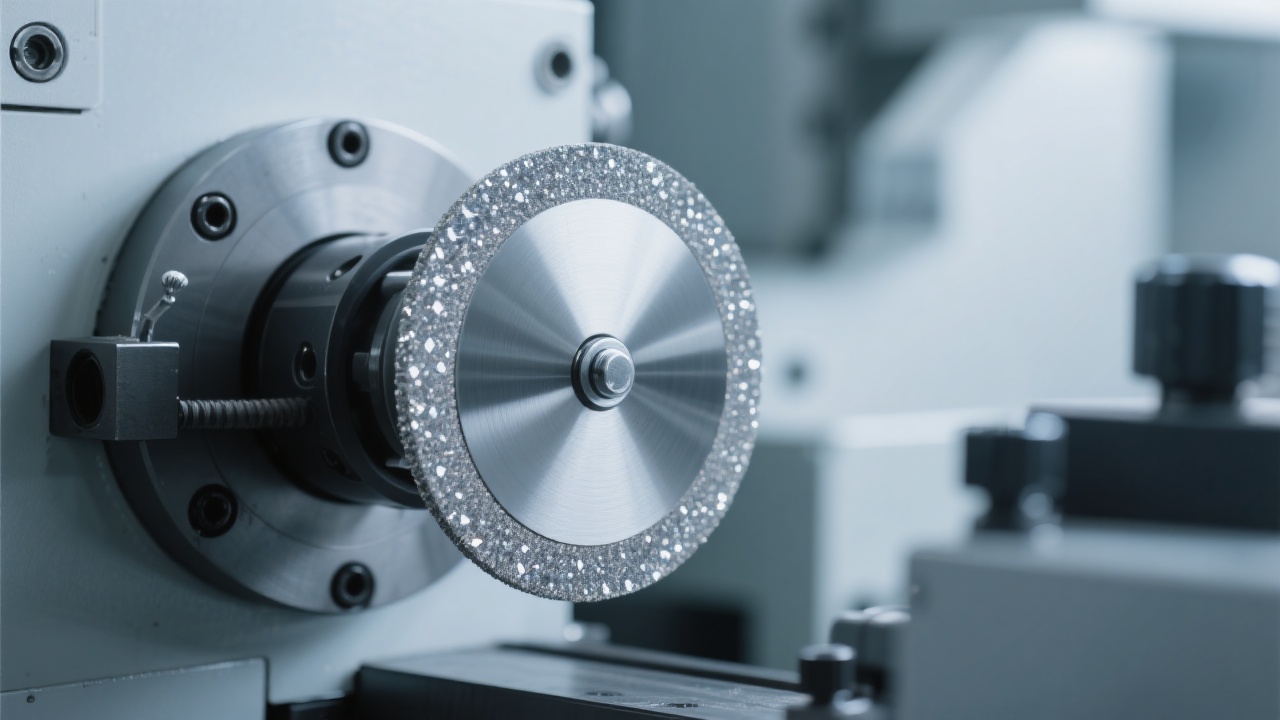
Modern manufacturing facilities face increasing pressure to meet stringent environmental and safety regulations. Traditional abrasive tools often generate significant dust, with silica dust levels sometimes exceeding 2.5 mg/m³ in poorly ventilated workspaces—well above the OSHA permissible exposure limit of 0.1 mg/m³ for respirable crystalline silica.
Brazed diamond tools address this critical issue through their unique design and cutting action. The exposed diamond particles create a more efficient cutting process that produces larger, heavier dust particles (average size 15-25 microns) that are easier to capture by standard ventilation systems. This results in dust reduction of 60-75% compared to conventional grinding wheels, as demonstrated in case studies conducted at automotive component manufacturing plants.
When investing in high-performance brazed diamond tools, certifications provide critical assurance of quality and safety compliance. Look for tools that carry the CE mark, indicating compliance with European health, safety, and environmental protection standards. This certification ensures the product has undergone rigorous testing for mechanical strength, electrical safety, and harmful substance emissions.
Equally important is compliance with ISO 9001:2015 quality management system standards, which demonstrates the manufacturer's commitment to consistent quality control throughout the production process. Additionally, manufacturers with robust intellectual property management systems often indicate investment in research and development, resulting in innovative tool designs that deliver superior performance.
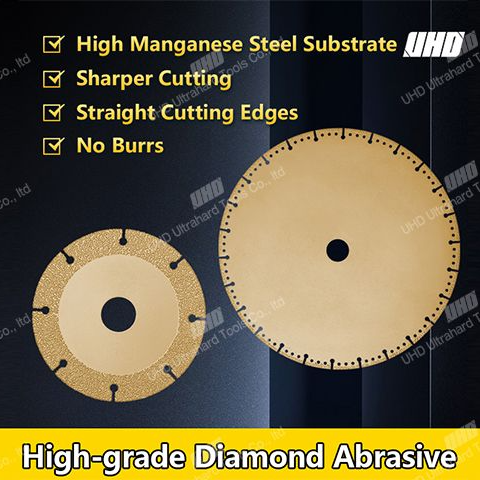
The true measure of any tool's value lies in its real-world performance. In a recent application at a stainless steel fabrication facility, switching to vacuum brazed diamond grinding wheels resulted in 42% reduction in tool更换频率 and 28% increase in material removal rate when processing 316L stainless steel components. The facility reported annual savings of approximately $45,000 in tool costs alone, not including the additional savings from reduced downtime.
Another compelling case comes from a heavy machinery manufacturer specializing in carbon steel parts. By implementing brazed diamond tools for deburring operations, the company reduced finishing time by 35% while improving surface finish quality from Ra 3.2μm to Ra 1.6μm, meeting their aerospace customers' stringent requirements.
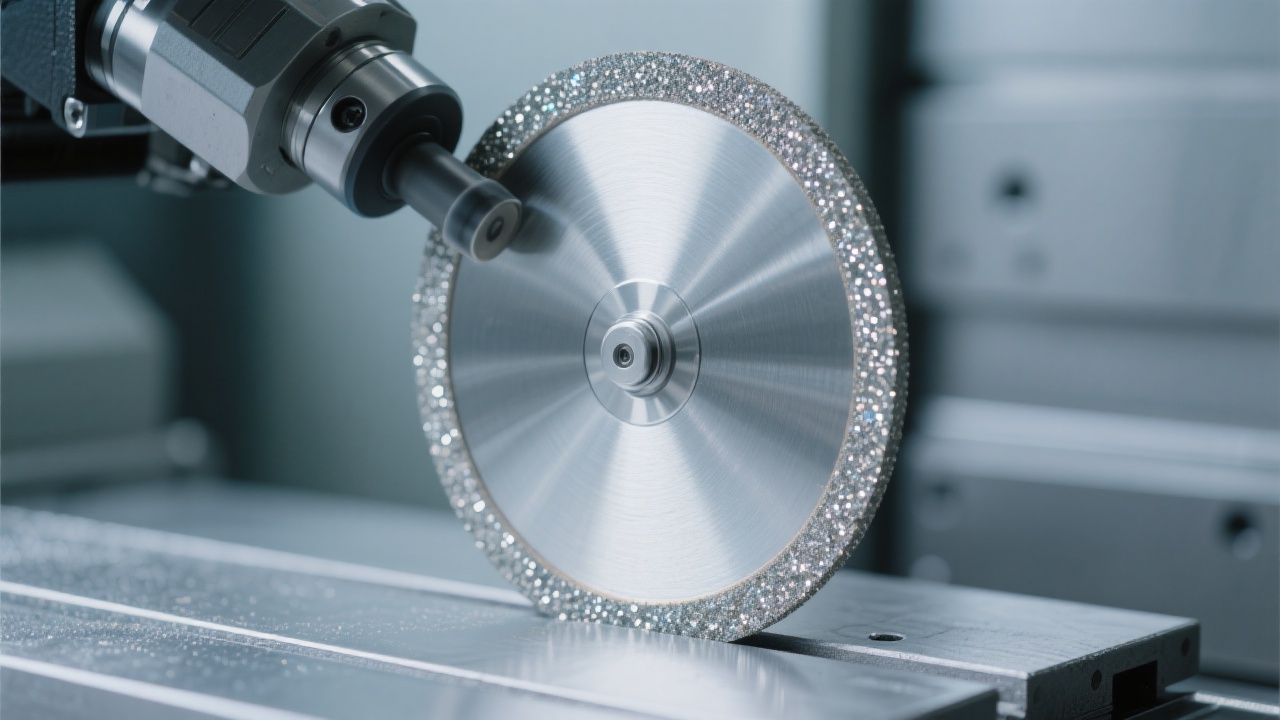
Selecting the right brazed diamond tool involves more than just comparing specifications. The most reliable suppliers offer comprehensive pre-sales consultation to analyze your specific application requirements, including material type, hardness, desired finish, and production volume. This personalized approach ensures you receive the optimal tool configuration for your unique needs.
Post-purchase support is equally important. Look for suppliers that provide technical assistance, tool maintenance guidance, and performance monitoring. Some manufacturers even offer free tool performance audits after 90 days of use to optimize your processes further and ensure you're achieving maximum value from your investment.
Download our comprehensive Brazed Diamond Tool Selection Guide to:
The decision to invest in high-quality brazed diamond tools represents a strategic choice that impacts not just immediate production metrics but long-term business competitiveness. By prioritizing tool performance, environmental safety, and supplier support, metalworking operations can achieve significant improvements in efficiency, product quality, and bottom-line results.
Remember that the most effective tool selection process involves collaboration between your technical team and experienced tool specialists who understand the nuances of modern metalworking challenges. With the right brazed diamond tools and support partner, you can transform your production processes and gain a valuable competitive advantage in today's demanding manufacturing environment.

 40
|
40
|
 brazed diamond grinding wheel
ISO9001 quality management
superhard grinding tools
industrial grinding solutions
diamond grinding wheel after-sales service
444
|
brazed diamond grinding wheel quality control
ISO9001 superhard tool manufacturing
diamond wheel wear resistance testing
industrial grinding tool after-sales service
superhard material grinding solutions
233
|
brazed diamond grinding wheels
hard material grinding
wear-resistant grinding wheels
grinding wheel customization
industrial grinding tools
brazed diamond grinding wheel
ISO9001 quality management
superhard grinding tools
industrial grinding solutions
diamond grinding wheel after-sales service
444
|
brazed diamond grinding wheel quality control
ISO9001 superhard tool manufacturing
diamond wheel wear resistance testing
industrial grinding tool after-sales service
superhard material grinding solutions
233
|
brazed diamond grinding wheels
hard material grinding
wear-resistant grinding wheels
grinding wheel customization
industrial grinding tools
 487
|
diamond grinding wheel selection
hard material grinding
diamond grit size chart
brazed diamond grinding wheel
impact resistant grinding wheel
487
|
diamond grinding wheel selection
hard material grinding
diamond grit size chart
brazed diamond grinding wheel
impact resistant grinding wheel
 32
|
diamond core drilling
concrete drilling services
professional drilling contractors
32
|
diamond core drilling
concrete drilling services
professional drilling contractors